Architecture
Choose the right compute, storage, database, DNS, network, and deployment model before cloud complexity grows around the product.
We help businesses design, migrate, optimize, and operate cloud infrastructure with the right balance of cost, security, performance, and reliability.
Cloud readiness assessment
Architecture and migration roadmap
Cost and resource optimization
Security and access review
Reliability and backup planning
Managed cloud operations
We focus on what makes cloud useful in production: clear architecture, predictable cost, migration safety, and operational control.
Choose the right compute, storage, database, DNS, network, and deployment model before cloud complexity grows around the product.
Move websites, applications, databases, email, and infrastructure with a staged plan that protects uptime and data integrity.
Reduce wasted resources, right-size workloads, improve performance, and align cloud spend with real business usage.
Review access, exposed services, firewall rules, SSL, patching, secrets, backups, and recovery paths before they become incidents.
A useful cloud plan starts with what you actually run today: applications, users, data, performance, compliance, costs, and team capacity.
Apps, websites, APIs, workers, cron jobs
Databases, files, backups, retention
DNS, firewalls, SSL, private access
Users, roles, keys, exposed services
Monitoring, updates, releases, support
Resource sizing, waste, monthly predictability
The output is not just advice. You get a practical sequence for what to change, what to keep, what to migrate, and what to operate.
We map the existing hosting, servers, DNS, applications, databases, email, backups, access, and support dependencies.
We define the right cloud model, network shape, server sizing, storage, backup plan, deployment path, and operational controls.
We create a migration sequence with validation checkpoints, rollback options, DNS timing, and downtime expectations.
We continue with monitoring, cost checks, security review, patching, scaling, and infrastructure improvements after launch.
We translate cloud decisions into tradeoffs, priorities, and action items instead of leaving you with vague architecture diagrams.
Know what should move to cloud and what should stay simpler
Avoid overpaying for oversized or poorly matched resources
Reduce migration risk with staged validation and rollback planning
Improve security around users, services, ports, SSL, and backups
Build an operating model for monitoring, patching, and support
Get a cloud roadmap that developers and business teams can both understand
Talk to ShellSecrets for cloud architecture, migration planning, cost review, server modernization, security hardening, and managed cloud operations.
Get round-the-clock guidance from experienced support engineers.
Open a ticket for technical issues, migrations, billing, or service help.
Talk with our team when you need quick help with urgent questions.
Browse knowledge base articles, setup guides, and troubleshooting notes.
Answers about cloud readiness, migration, cost optimization, security, reliability, and managed cloud support.
Cloud consulting includes assessment, architecture planning, migration roadmap, cost optimization, security review, reliability planning, and guidance for ongoing cloud operations.
Explore practical hosting, server, cloud, and DevOps guides from the ShellSecrets articles hub.
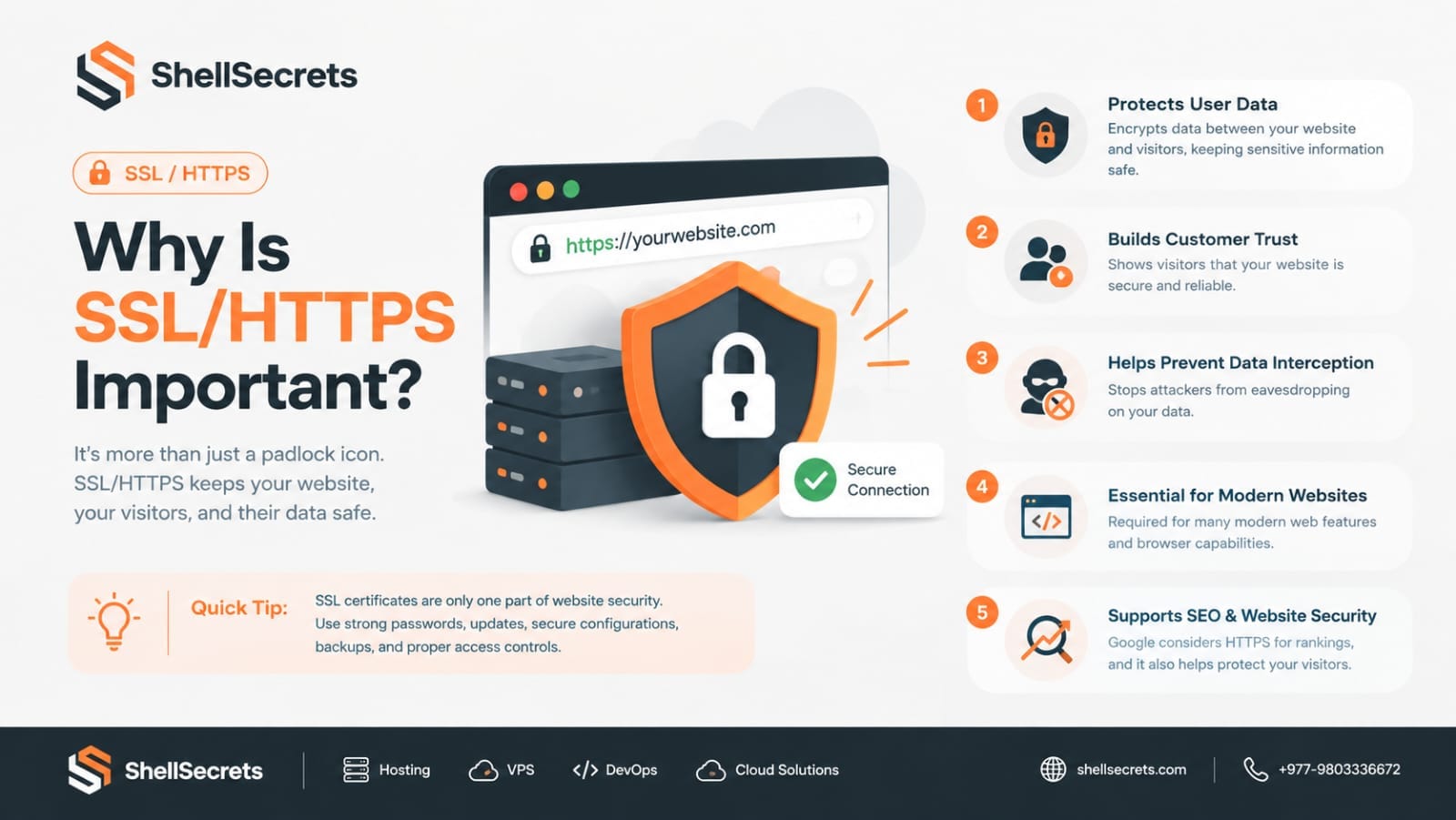
In today's digital world, website security is no longer optional—it's a necessity. Whether you run a personal blog, an eCommerce store, a business website, or a SaaS platform, protecting your visitors' data should be one of your highest priorities. One of the simplest and most effective ways to improve website security is by enabling SSL (Secure Sockets Layer) or TLS (Transport Layer Security), which allows your website to use HTTPS instead of HTTP. If you've ever noticed the small padlock icon
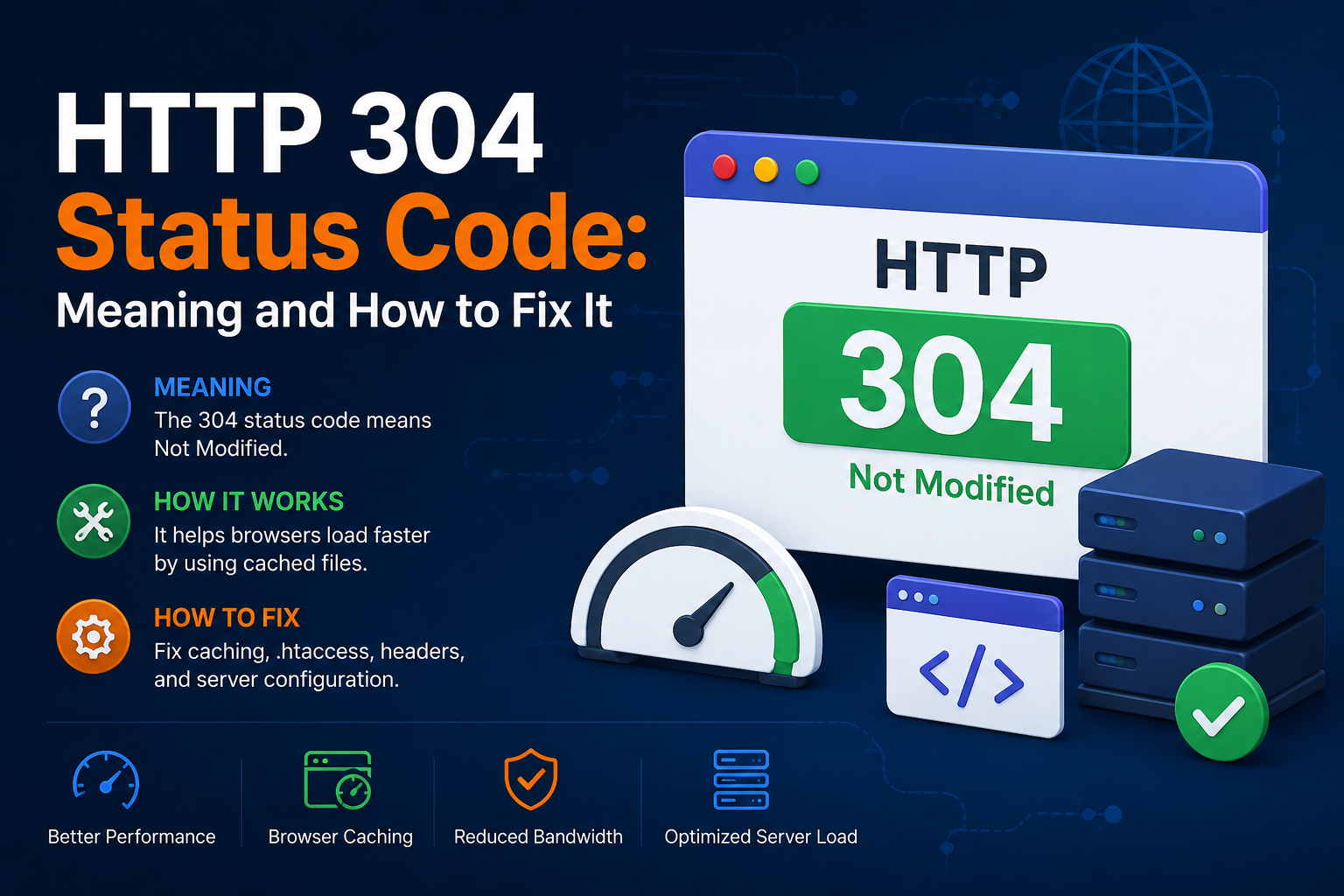
When browsing websites, loading pages quickly is important for both users and search engines. One HTTP response that helps improve website performance is the HTTP 304 Status Code. If you’ve seen a “304 Not Modified” message in browser developer tools, server logs, or SEO audit reports, you may wonder what it means and whether it’s an issue. In this guide, we’ll explain the HTTP 304 status code, why it happens, its SEO impact, and how to fix related problems. What Is HTTP 304 Status Code? Th
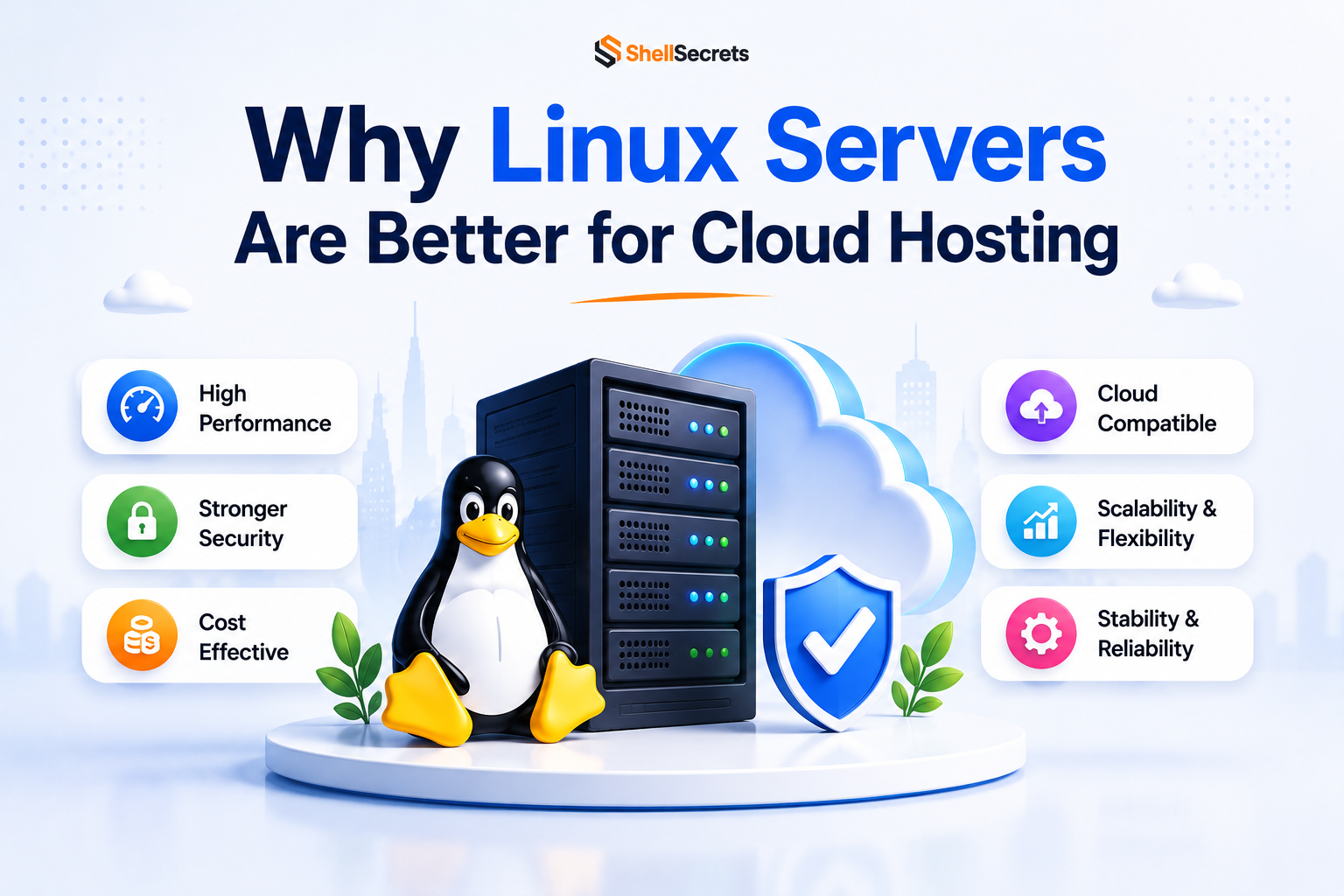
Linux servers dominate the cloud hosting industry because they are secure, stable, lightweight, and cost-effective. Most cloud platforms including AWS, Google Cloud, and Azure heavily rely on Linux-based infrastructure. Advantages of Linux Servers Better Performance Linux consumes fewer system resources compared to Windows Server. Strong Security Linux has strong permission management and lower malware exposure. Cost Effective Most Linux distributions are free to use. Stability Li