Domain Migration
Transfer domains, nameservers, DNS zones, records, redirects, SSL validation, and ownership checks without breaking routing.
Registrar transferDNS zone auditNameserver cutover
We migrate domains, hosting, websites, web apps, servers, databases, email, and cloud infrastructure with a planned cutover, validation checks, and zero or minimal downtime.
Domain and DNS migration
Hosting and website transfer
Server and VPS relocation
Web app and database moves
Email mailbox migration
Cloud infrastructure cutover
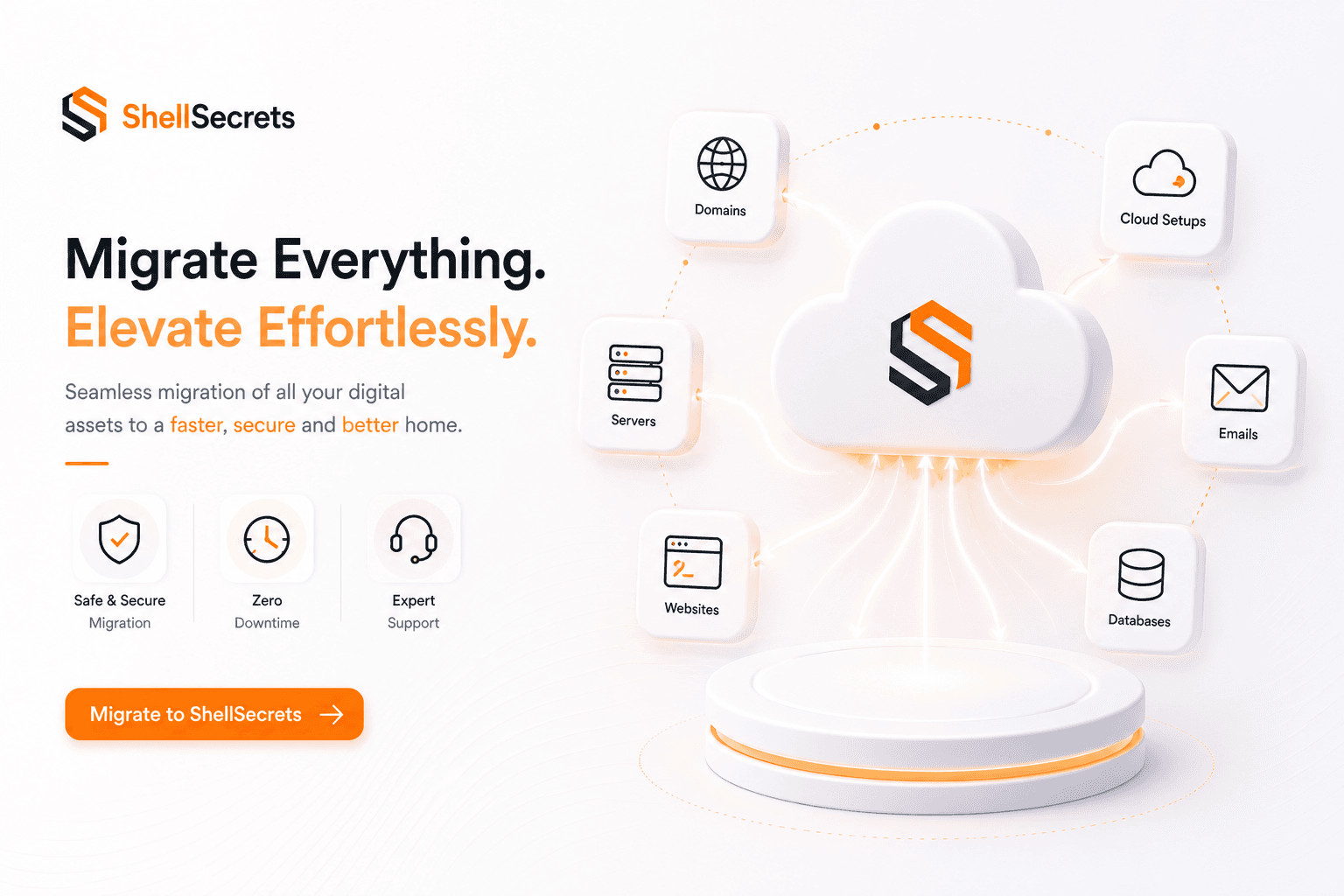
Each migration type has different risks. We separate the scope clearly so DNS, data, email, applications, and infrastructure are handled correctly.
Transfer domains, nameservers, DNS zones, records, redirects, SSL validation, and ownership checks without breaking routing.
Move cPanel hosting, websites, files, databases, SSL, cron jobs, and application settings to the right ShellSecrets environment.
Relocate VPS, Linux servers, services, control panels, workloads, firewall rules, and scheduled tasks with rollback planning.
Move WordPress, static sites, business websites, landing pages, media assets, forms, and CMS content with validation.
Migrate Node.js, Python, Django, Laravel, eCommerce, API, and worker-based applications with environment mapping.
Move MySQL, MariaDB, PostgreSQL, application databases, users, grants, backups, and restore workflows carefully.
Transfer mailboxes, aliases, forwarders, MX records, SPF, DKIM, DMARC, routing, and client settings with mail-flow checks.
Move cloud servers, storage, DNS, network rules, backups, monitoring, and application workloads with staged execution.
We plan migrations in steps so the source remains usable, the target is validated, and the final switch has a clear rollback path.
We inspect domains, DNS, hosting, servers, applications, databases, email, SSL, backups, and access before any move.
We prepare the target environment, copy data, configure services, and validate the application away from production traffic.
We schedule DNS, mail, application, or server switching with rollback points and clear communication.
We test pages, forms, logins, database writes, mail flow, SSL, cron jobs, APIs, and monitoring after migration.
Downtime usually comes from missed dependencies: DNS, SSL, database users, mail routing, cron jobs, environment variables, and firewall rules. We check those before cutover.
Source data is backed up or exportable before migration begins.
TTL, records, MX, SPF, DKIM, DMARC, and cutover timing are reviewed.
Credentials, panels, server users, SSH, SSL, and firewall exposure are checked.
Critical moves include a practical path back if validation fails.
We keep these items visible from the beginning so the final switch is predictable.
DNS propagation and TTL planning
SSL certificate reissue and validation
Email authentication and deliverability
Database dump, restore, and consistency checks
Application environment variables and secrets
PHP, Node.js, Python, Django, and Laravel runtime compatibility
Cron jobs, background workers, queues, and scheduled tasks
Post-migration monitoring and support window
Talk to ShellSecrets for domain, website, hosting, server, database, email, web app, and cloud migration planning with validation and post-migration support.
Get round-the-clock guidance from experienced support engineers.
Open a ticket for technical issues, migrations, billing, or service help.
Talk with our team when you need quick help with urgent questions.
Browse knowledge base articles, setup guides, and troubleshooting notes.
Answers about downtime, DNS, email, websites, servers, databases, applications, cloud infrastructure, and migration preparation.
Some migrations can be completed with effectively zero downtime, while others need a short planned cutover. We audit the workload first and explain the realistic downtime window before starting.
Explore practical hosting, server, cloud, and DevOps guides from the ShellSecrets articles hub.
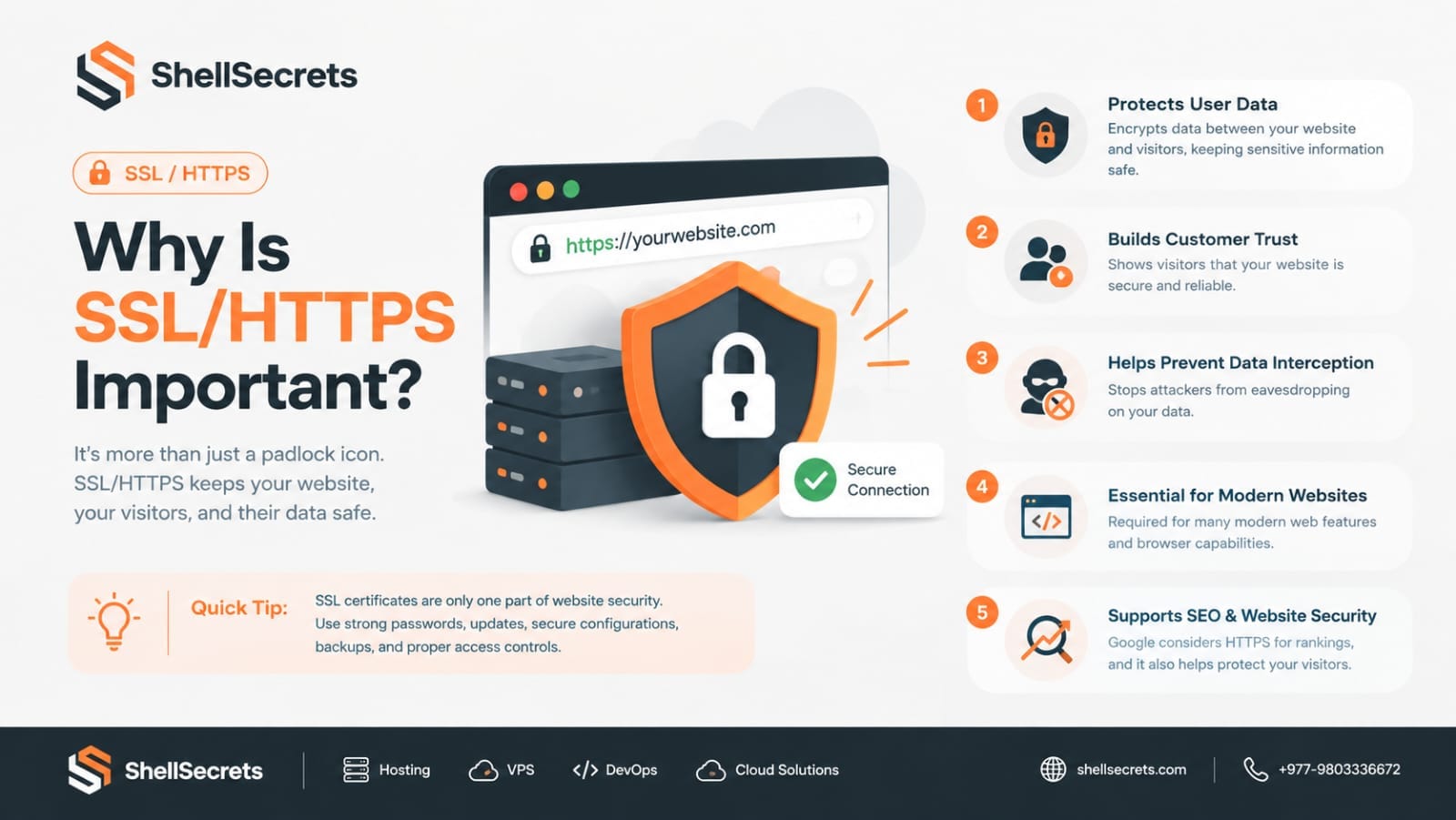
In today's digital world, website security is no longer optional—it's a necessity. Whether you run a personal blog, an eCommerce store, a business website, or a SaaS platform, protecting your visitors' data should be one of your highest priorities. One of the simplest and most effective ways to improve website security is by enabling SSL (Secure Sockets Layer) or TLS (Transport Layer Security), which allows your website to use HTTPS instead of HTTP. If you've ever noticed the small padlock icon
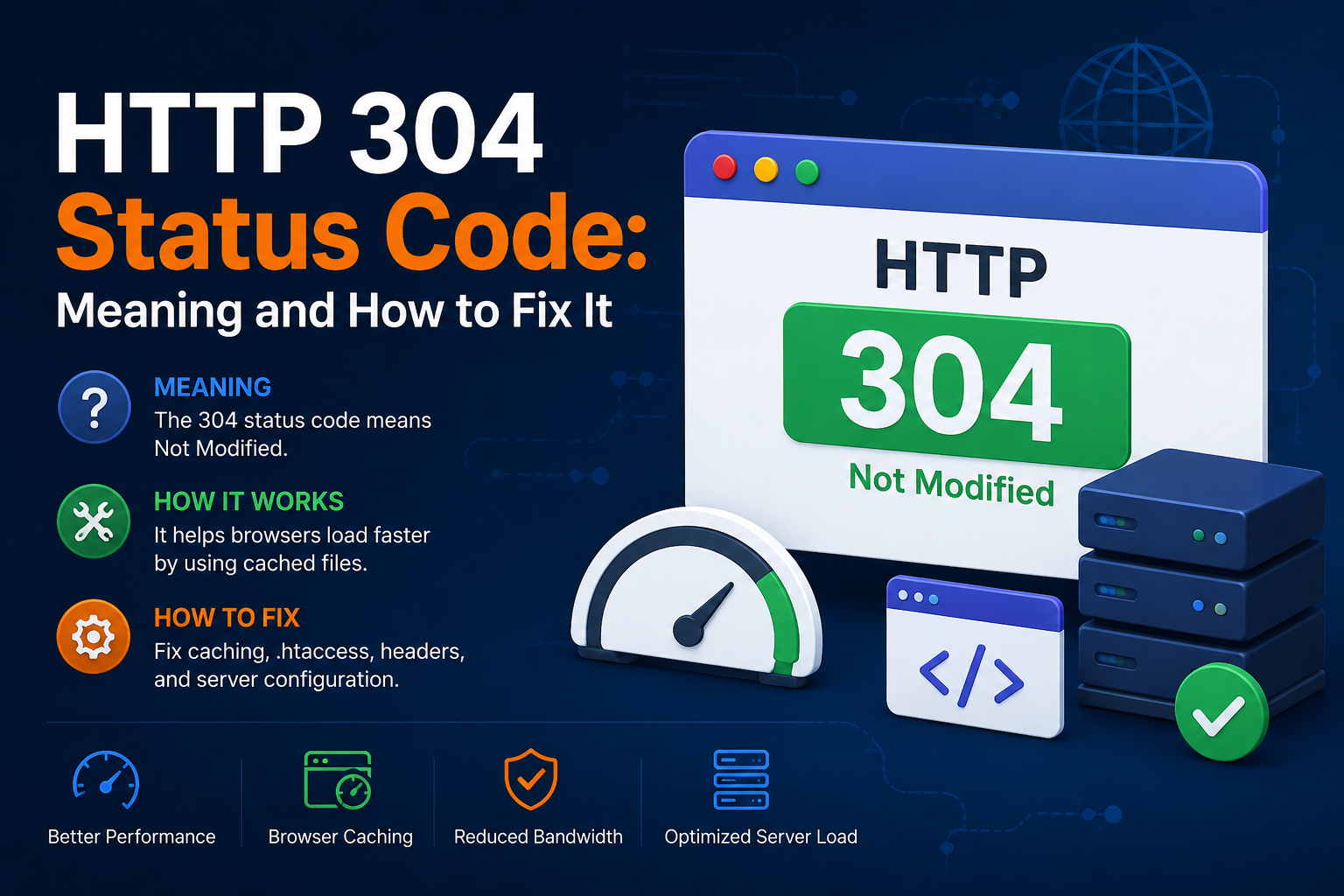
When browsing websites, loading pages quickly is important for both users and search engines. One HTTP response that helps improve website performance is the HTTP 304 Status Code. If you’ve seen a “304 Not Modified” message in browser developer tools, server logs, or SEO audit reports, you may wonder what it means and whether it’s an issue. In this guide, we’ll explain the HTTP 304 status code, why it happens, its SEO impact, and how to fix related problems. What Is HTTP 304 Status Code? Th
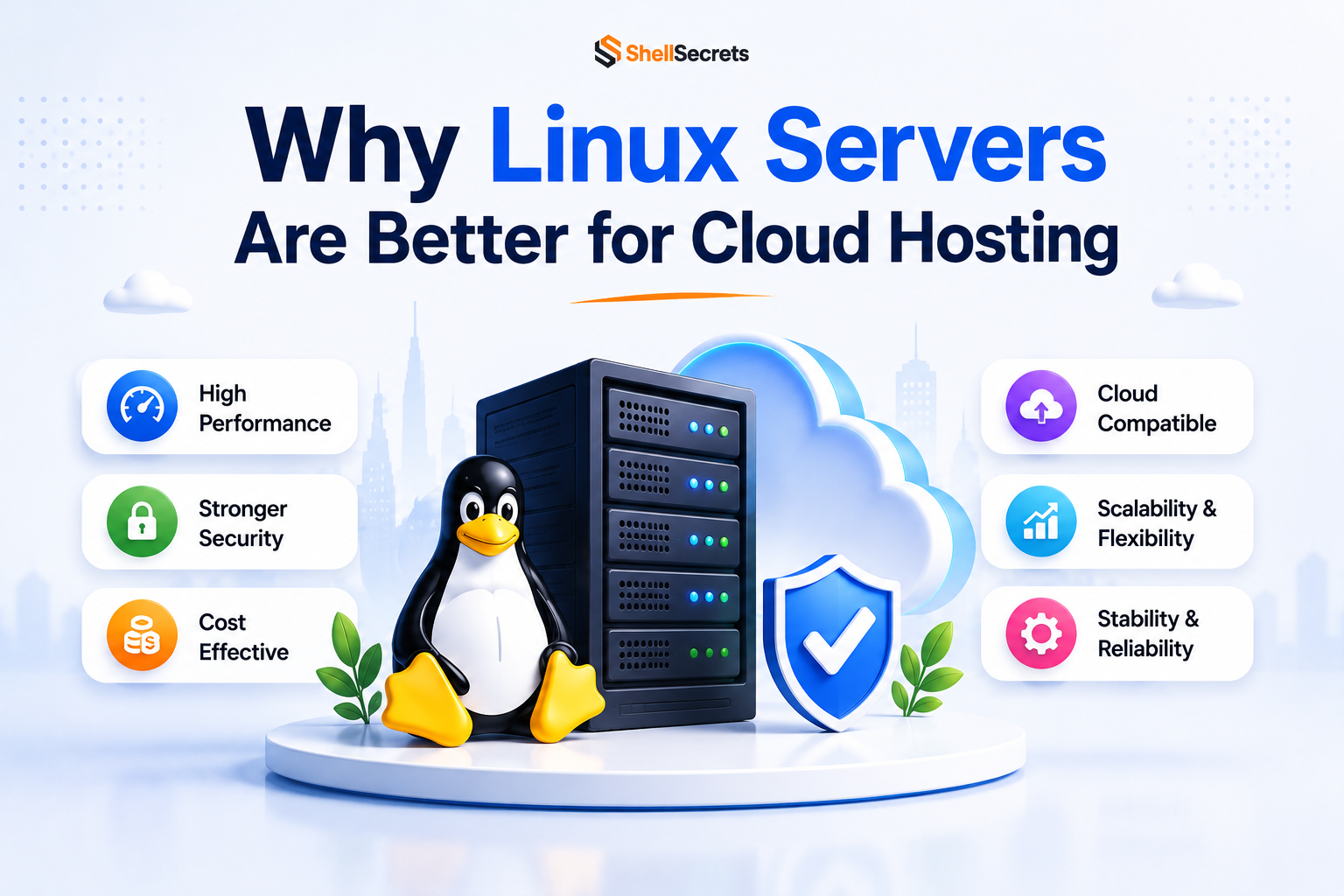
Linux servers dominate the cloud hosting industry because they are secure, stable, lightweight, and cost-effective. Most cloud platforms including AWS, Google Cloud, and Azure heavily rely on Linux-based infrastructure. Advantages of Linux Servers Better Performance Linux consumes fewer system resources compared to Windows Server. Strong Security Linux has strong permission management and lower malware exposure. Cost Effective Most Linux distributions are free to use. Stability Li